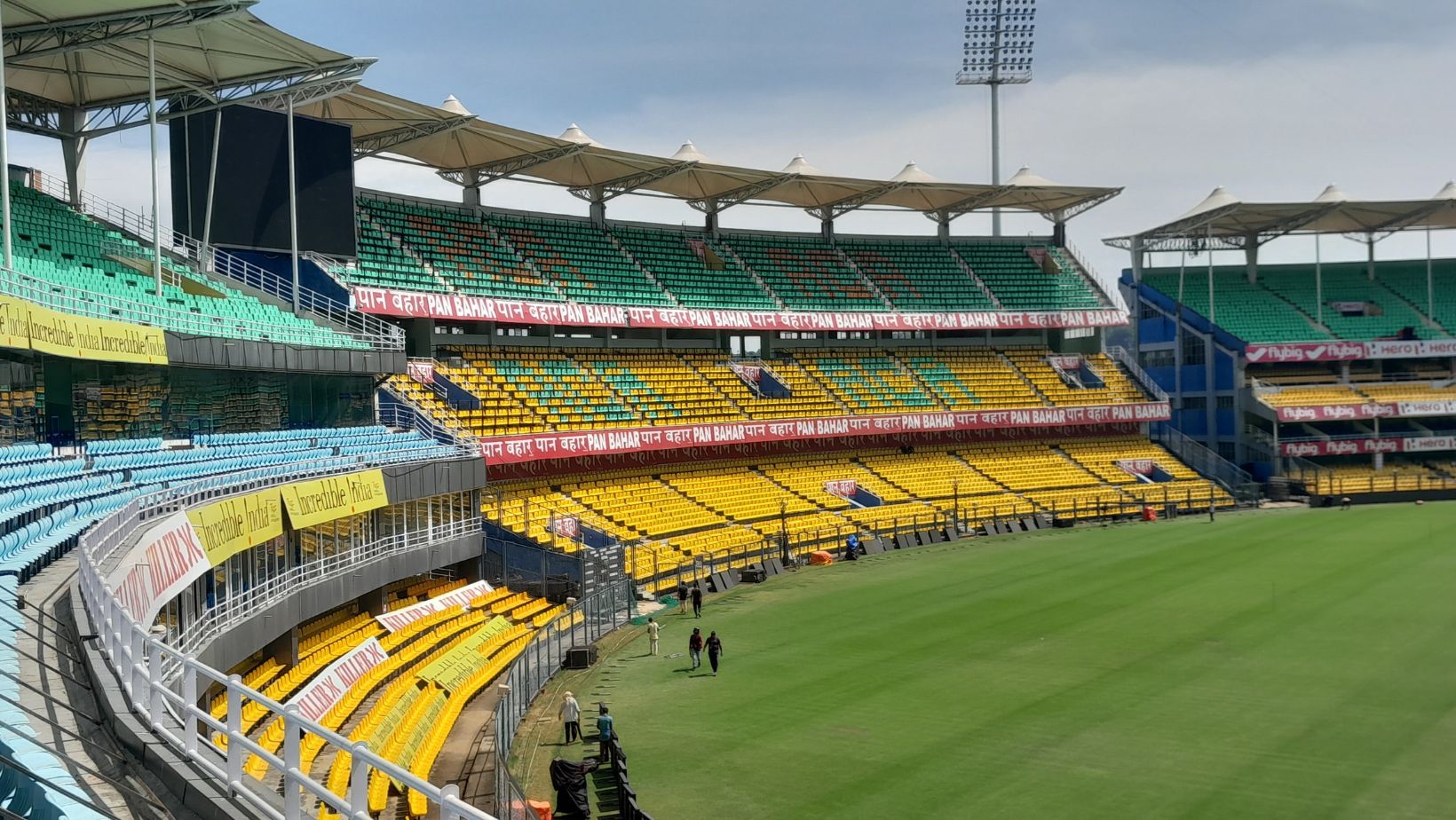
The way sports and gaming experiences are designed plays a pivotal role in shaping how fans engage, perceive, and enjoy the action. From the architecture of stadiums and courts to the digital layouts of online games, design influences attention, emotion, and interaction, creating experiences that can feel immersive, exhilarating, or even transformative. Understanding how these elements work together provides insight into why some experiences feel unforgettable while others leave spectators indifferent.
Stadium and arena design is the most immediate factor in a fan’s physical experience. Architects and planners carefully consider sightlines, seating arrangements, acoustics, and accessibility to ensure that every attendee feels connected to the action. Stadiums with steep tiers, unobstructed views, and centralised focal points allow fans to see the nuances of play, from a subtle pass to a dramatic goal, enhancing engagement. Acoustics are equally critical crowd noise, announcements, and music can be amplified or softened to heighten excitement, creating an atmosphere that makes every cheer and gasp feel part of a shared experience.
Courts and fields themselves are also thoughtfully designed to affect engagement. Colour schemes, markings, and textures not only meet regulatory standards but also influence visibility and player fan interaction. The design of the playing surface, boundary lines, and even equipment placement contributes to how fans perceive action. When courts are well lit, well-marked, and visually clear, fans can follow the game more intuitively, reducing frustration and increasing the emotional payoff of key plays. Design here is subtle yet essential, guiding attention and shaping perception in ways that make the experience more compelling.
The importance of technology in enhancing design cannot be overstated. Large LED screens, dynamic lighting, and integrated sound systems complement physical layouts, adding layers of information and entertainment. Replays, statistics, and visualisations allow fans to engage with the game on multiple levels, providing context and depth that extends beyond what is visible on the field or court. These digital elements merge with physical design to create a holistic environment where immersion, clarity, and excitement coexist.
Online games extend these principles into the digital realm, where interface and visual design dictate the quality of engagement. User friendly layouts, intuitive controls, and visually appealing graphics all contribute to how immersed players feel. The design of online games can evoke excitement, build anticipation, and guide behaviour, much like the architecture of a stadium guides a fan’s physical and emotional response. Even playful integrations of familiar game mechanics, such as monopoly casino, demonstrate how design can create a sense of familiarity, engagement, and interactivity that mirrors the intensity of live events. These digital environments show that design is not only functional but also emotional, shaping perception and experience in meaningful ways.
Social and communal aspects of design further enhance engagement. Stadium layouts that facilitate fan interaction, digital platforms that allow cooperative or competitive play, and spaces that encourage conversation or celebration all strengthen the sense of shared experience. A well designed arena or online platform makes fans feel part of a community, amplifying the excitement and fostering loyalty. The design, whether in physical or digital form, becomes a medium through which fans connect not only with the action but with each other.

Attention to detail in visual cues, feedback, and accessibility also shapes the overall experience. Consistency in colour schemes, signage, and iconography helps fans navigate spaces or interfaces intuitively, reducing friction and increasing satisfaction. In physical venues, wayfinding, entrances, and amenities all contribute to a smooth, enjoyable experience. Online, clarity in menus, prompts, and progress indicators ensures players remain focused and engaged. Thoughtful design, in either context, anticipates user needs and creates a seamless journey from start to finish.
Psychological and emotional impact is another layer where design plays a key role. High energy visuals, immersive soundscapes, and carefully curated lighting can trigger excitement, tension, or anticipation. These responses enhance memory and engagement, making the experience feel vivid and memorable. Designers can leverage these elements to highlight key moments, emphasise strategic plays, or create a sense of narrative within the event. Emotional resonance is as crucial as functionality, and successful design balances both.
Adaptability in design allows experiences to evolve with audiences. Modern stadiums, courts, and online platforms are often modular, allowing for changes that reflect trends, user feedback, or technological advancements. Flexible seating, interactive displays, and adaptive digital interfaces ensure that fan engagement remains high and responsive to emerging expectations. This adaptability also encourages experimentation and personalisation, further enhancing the connection between fans and the experience.
The design of stadiums, courts, and online games shapes the fan experience in profound ways. From physical architecture that guides attention and fosters connection to digital environments that encourage engagement, clarity, and immersion, thoughtful design influences perception, emotion, and interaction. Elements like visual appeal, usability, social facilitation, and adaptability all contribute to creating memorable and enjoyable experiences. Ultimately, design is not merely decorative it is a strategic tool that transforms spectatorship into a dynamic, immersive, and highly memorable experience, whether in a packed stadium or a virtual arena.