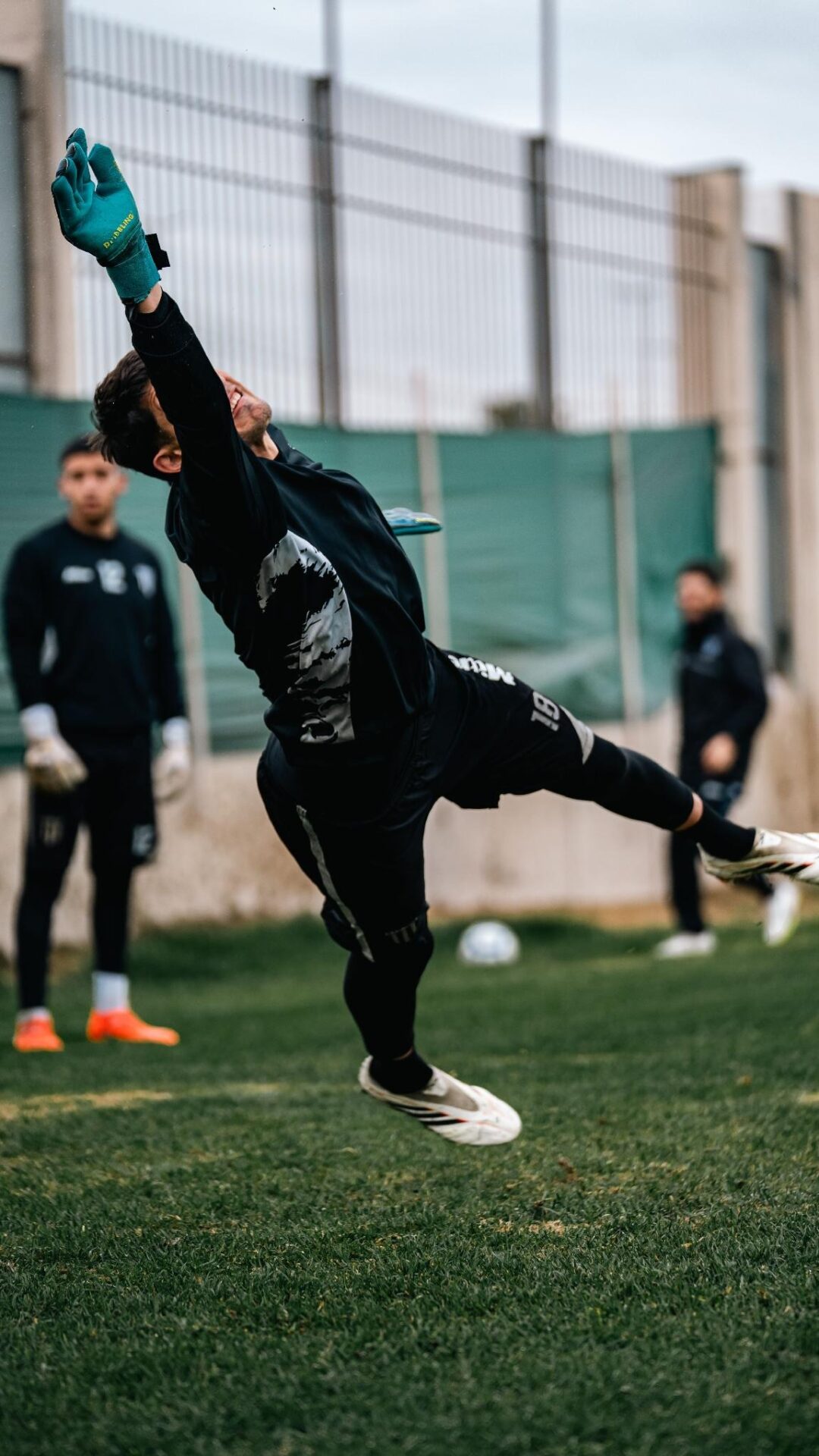
In modern football, the role of the goalkeeper has evolved dramatically. No longer just shot-stoppers limited to their line, keepers today act as the first line of attack, sweeper-keepers, and vocal organizers of the defense. To perform at this high level, a keeper requires absolute confidence in their abilities, positioning, and gear. Among all pieces of football kit, none are more critical to a goalkeeper’s success than their gloves. A high-quality pair provides essential grip, impact absorption, and finger protection, allowing players to handle powerful shots, catch wet balls securely, and distribute with precision. Playing without reliable equipment not only compromises performance but also increases the risk of serious hand and finger injuries during high-impact saves.
Choosing the right equipment depends on various factors, including field conditions, palm cuts, latex quality, and personal preference regarding wrist support. For players looking to upgrade their game, finding the best goalkeeper gloves from trusted brands can make all the difference in match-day performance. Modern designs utilize advanced latex foam compounds that offer exceptional tackiness in both wet and dry weather. Furthermore, different cuts—such as Roll Finger, Negative Cut, Flat Palm, or Hybrid Cut—cater to unique preferences for fit and ball feel. A tight negative cut offers a snug, seamless feel preferred by technical keepers, while a roll finger cut maximizes latex-to-ball contact area for maximum grip when catching high crosses.
The Science of Latex and Glove Construction
The technology behind modern goalkeeper gloves has advanced significantly over the past decade. The core component of any premium glove is the latex palm. High-grade German latex is widely considered the industry standard due to its soft texture and high coefficient of friction, which effectively stops the momentum of a spinning ball. However, softer latex wears down faster, requiring careful maintenance and proper dampening before matches. Specialized latex formulations are engineered specifically for hard ground, artificial turf, or rainy conditions, giving players tailored options for every surface.
Beyond the palm, the backhand material plays a crucial role in flexibility and protection. Modern gloves often feature lightweight mesh or neoprene bodies that enhance breathability, paired with 3D-molded latex or silicone punching zones across the knuckles. These punching zones allow goalkeepers to clear dangerous crosses with control and power while reducing the impact force transmitted to the back of the hand. Strap systems have also evolved; traditional full-wrap wrist straps offer heavy-duty stability, whereas modern strapless models rely on engineered elastic cuffs to provide a compressed, second-skin fit that moves naturally with the wrist.
Proper Maintenance and Extending Glove Lifespan
Investing in professional-grade equipment requires proper care to maintain peak performance throughout the season. Latex is a natural, porous material that degrades when exposed to dirt, sweat, and dry conditions. Immediately after every training session or match, gloves should be washed gently in lukewarm water to remove soil particles that act like sandpaper against the foam. Harsh detergents and washing machines should be avoided, as chemical agents break down the latex structure rapidly. Air drying away from direct sunlight or radiators ensures the material remains supple and tacky.
Furthermore, rotation is a proven strategy for serious goalkeepers. Utilizing older or durable turf gloves for daily training sessions while reserving top-tier match gloves exclusively for game days prolongs the life of the primary pair. By pairing high-performance equipment with proper care, goalkeepers can step onto the pitch with absolute trust in their gear, knowing they are equipped to make game-winning saves under any pressure.