Soccer demands explosive movements, rapid direction changes, and constant physical contact. Every match places tremendous strain on the lower extremities, and the ankle joint absorbs a major share of that burden. Across all levels of the sport, from amateur leagues to professional tournaments, ankle sprains and ligament tears consistently remain among the most commonly reported injuries that players suffer on the pitch. Players who have experienced even a mild sprain, whether it occurred during a competitive match or a routine training session, know all too well how quickly such an injury can sideline them for weeks, disrupting their fitness, rhythm, and overall contribution to the team. Fortunately, targeted protective gear has improved significantly over the years. Today’s ankle supports are lighter, more comfortable, and more effective than any previous designs. This article explains in detail exactly why ankle protection should be an essential part of every soccer player’s kit and what important factors you should carefully consider when selecting the right model that suits your specific needs and playing style.
Why Soccer Players Face High Ankle Injury Risks
Soccer’s very nature makes it especially prone to causing ankle injuries. Unlike sports played on predictable surfaces, soccer involves uneven grass, wet turf, and unpredictable collisions. One awkward landing or mistimed tackle can twist the ankle. Ankle sprains represent about 15 to 20 percent of all soccer injuries.
Biomechanical Stress During Play
Every time a player sprints, pivots, or decelerates, the ankle absorbs forces that can exceed several times their body weight. Lateral movements during dribbling and defensive maneuvers place particular strain on the lateral ligaments. Young athletes whose ligaments and muscles are still developing are especially vulnerable. Players who have suffered a previous sprain carry a significantly elevated risk of re-injury because the stabilizing tissues may not fully regain their original strength. Investing in a quality soccer ankle brace can provide the external stability needed to reduce this risk and keep players confident on the field.
Environmental and Equipment Factors
Playing conditions significantly increase the risk of injury. Wet pitches significantly reduce traction and make it easier for players to slip, while hard, dry ground increases the force of impact shock that joints and muscles must absorb during play. Worn-out cleats with damaged studs lose their grip, and neglected fields conceal divots that trap a foot at critical moments. The type of artificial turf can also affect how often injuries occur. Understanding these environmental factors helps players and coaches realize that skill alone cannot ensure safety. Protective equipment fills the critical gap that technique and physical fitness, no matter how well developed they may be, cannot always reliably cover on their own.
How Ankle Braces Protect Kickers on the Pitch
Ankle supports function by restricting excessive inversion and eversion, which are the two primary movements that are most commonly responsible for causing sprains during physical activity. They serve as a mechanical boundary that maintains a safe range of motion while preserving the flexibility required for ball control, passing, and shooting. Modern designs rely on a carefully engineered combination of compression fabric and semi-rigid stabilizers that conform closely to the foot’s natural contour, which ensures both support and comfort during play.
Beyond structural support, braces also improve proprioception. Proprioception refers to the body’s ability to sense its position in space. When the ankle joint receives constant sensory feedback from a snug brace, the surrounding muscles react faster to sudden shifts in balance. This neurological benefit is particularly valuable during high-speed plays where reaction time can mean the difference between staying upright and suffering a painful roll. Players often report feeling more grounded and assured when wearing proper ankle protection, which translates into bolder movement on the pitch. For broader guidance on preventing common soccer injuries and reducing the chance of getting hurt, medical experts recommend a combination of strength training, warm-up routines, and appropriate gear.
Key Features to Look for in a Soccer Ankle Brace
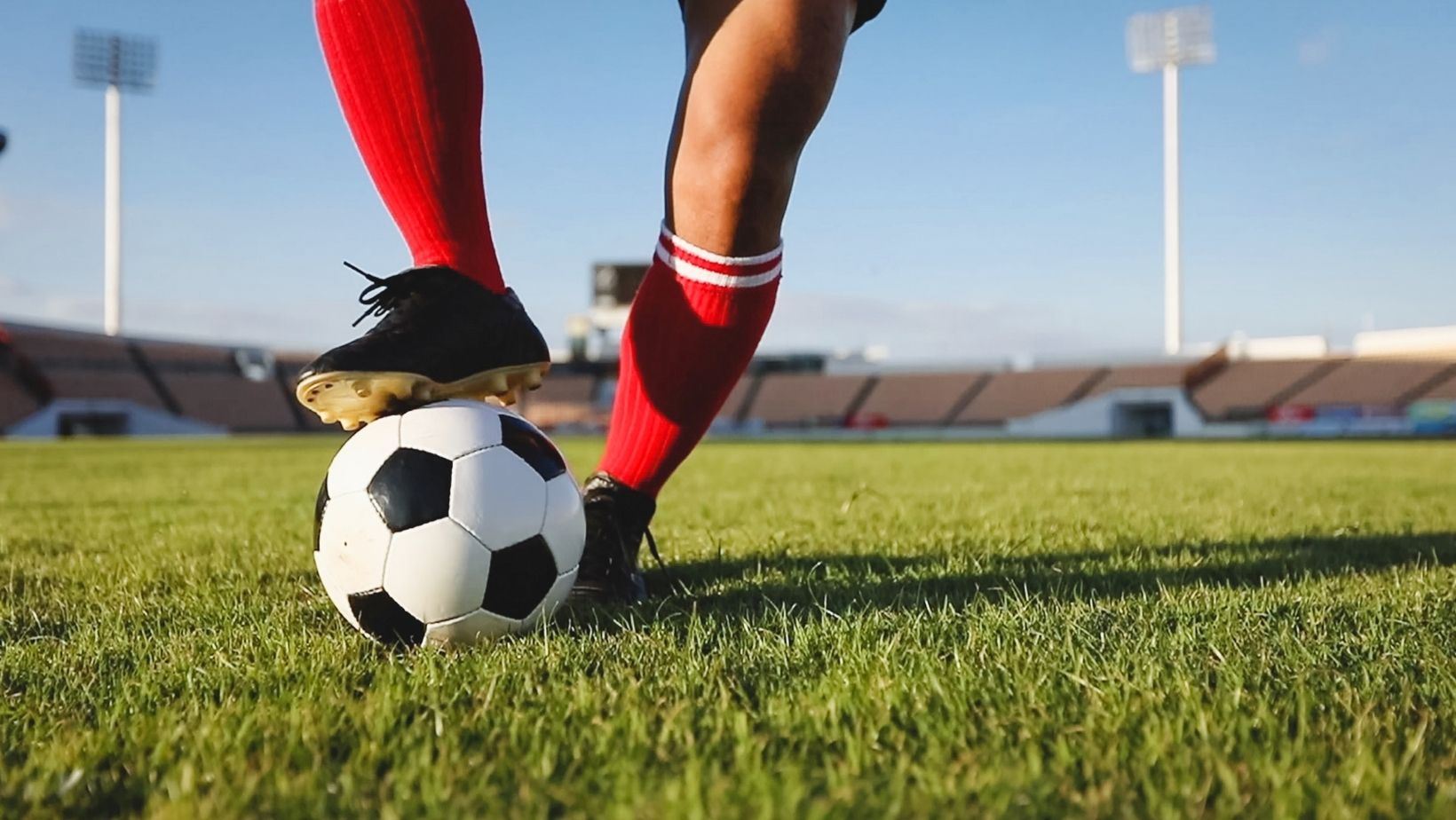
Not every ankle brace works well for the specific demands of soccer. Running shoes and basketball sneakers offer built-in ankle coverage that provides natural support, but soccer cleats are deliberately designed with a low-cut profile so that players can maintain maximum agility on the field. That means the brace itself must compensate without adding bulk.
These key attributes matter most when selecting a brace.
1. Low-profile design: The brace should fit comfortably inside a cleat without causing pressure points.
2. Bilateral stabilization: Choose supports reinforcing both medial and lateral sides to prevent inward and outward rolls.
3. Breathable materials: Moisture-wicking fabrics prevent overheating and blisters during extended wear.
4. Adjustable tension: Straps or lacing systems let you customize compression for swelling and comfort.
5. Lightweight construction: Lighter braces minimize extra weight, improving speed and ball touch during play.
Protective gear works best as part of a larger equipment strategy. Just as choosing the right brace matters for ankles, selecting proper lower-leg protection is equally important. Our detailed guide on correctly sizing and fitting shin guards walks you through everything you need to know about getting shin protection right.
When and How to Wear Ankle Support During Training and Matches
Integrating Braces into Your Routine
Many players make the common mistake of limiting their use of ankle protection exclusively to match days, which leaves them vulnerable during the training sessions where injuries frequently occur. Training sessions frequently include repetitive drills that put constant stress on the joint. Wearing a brace consistently during practice sessions, where repetitive movements and high-intensity drills place considerable stress on the ankle joint, allows the body to gradually adapt to the feel and fit of the support, so that by the time game day arrives, the sensation becomes second nature and no longer a distraction. Begin wearing the brace during demanding drills like agility ladder work, small-sided games, and shooting exercises. Over time, you can determine whether wearing the brace constantly or selectively suits your needs best.
Proper Fitting and Maintenance
A brace that slides down or bunches up inside the cleat creates more problems than it solves. Before each session, pull the brace snug against the skin, fasten any straps firmly but not so tight that circulation is restricted, and then put on your cleat. Walk a few steps and perform a couple of lateral shuffles to confirm the fit stays secure. After every use, rinse the brace according to manufacturer instructions. Sweat and dirt degrade elastic fibers over time, reducing the support level. Replace braces at the first sign of stretched-out fabric or worn-down stabilizers. When pairing ankle protection with the rest of your gear, our resource on choosing the best soccer shin guards provides helpful advice on building a complete protective setup.
Real Benefits That Make Ankle Braces a Must-Have for Every Kicker
The benefits extend well beyond basic injury prevention alone. Ankle supports help players recover faster and play longer. Youth coaches in 2026, recognizing the growing body of evidence that supports their protective value, increasingly include ankle braces on their recommended gear lists, placing them alongside established essentials such as shin guards and mouthguards as standard equipment for young players.
A quality ankle brace costs far less than one physiotherapy course or missed tournament fee. For semi-professional and amateur players who do not have access to full-time medical staff, a reliable brace serves as a first line of defense that is always available. The psychological edge should not be underestimated either. When you trust your ankle support, you can commit fully to tackles, sprints, and aerial duels without hesitation. That mental confidence leads directly to improved performance and greater enjoyment on the pitch.
Step onto the Pitch with Confidence
Ankle protection is no longer something that is exclusively reserved for players who are recovering from surgery or who are actively dealing with the challenges of chronic joint instability. It has become a proactive and deliberate choice for any player who takes the sport seriously, as more athletes recognize the value of preventing injuries before they occur. Smart brace selection and consistent use help you stay healthy all season. Your ankles are the foundation that carries you through every explosive sprint, every sharp directional turn, and every powerful shot you take on the pitch during a match or training session. Supporting your ankles properly is one of the smartest choices you can make in soccer.
Frequently Asked Questions
What percentage of soccer injuries are ankle-related and why are they so common?
Ankle sprains account for roughly 15 to 20 percent of all soccer-related injuries, making them the single most common musculoskeletal issue players face. The nature of soccer creates perfect conditions for ankle problems due to uneven grass, wet turf, unpredictable collisions, and explosive movements that place enormous stress on the ankle joint.
How much force does the ankle absorb during soccer movements?
During soccer play, the ankle absorbs forces that can exceed several times a player’s body weight with every sprint, pivot, and deceleration. Lateral movements during dribbling and defensive maneuvers place particular strain on the lateral ligaments, creating significant biomechanical stress that can lead to injury.
Where can I find high-quality ankle braces specifically designed for soccer players?
When selecting ankle protection for soccer, you need equipment that combines medical-grade support with sport-specific design elements. The most effective models address the unique biomechanical demands of soccer without compromising ball feel or natural movement. Betterguards offers specialized soccer ancle brace options engineered to deliver proven injury prevention while maintaining the performance standards professional players require.
Why are young soccer players more vulnerable to ankle injuries?
Young athletes face elevated ankle injury risks because their ligaments and muscles are still developing, making them less capable of handling the intense biomechanical stress of soccer movements. Their stabilizing tissues haven’t reached full maturity, leaving them more susceptible to sprains and other ankle-related injuries during play.
What makes previously injured players more prone to ankle re-injury in soccer?
Players who have suffered a previous ankle sprain carry significantly elevated risk of re-injury because the stabilizing tissues may not fully regain their original strength. Even after healing, the ligaments and supporting muscles often remain weakened, making the ankle less stable during the explosive movements and direction changes required in soccer.