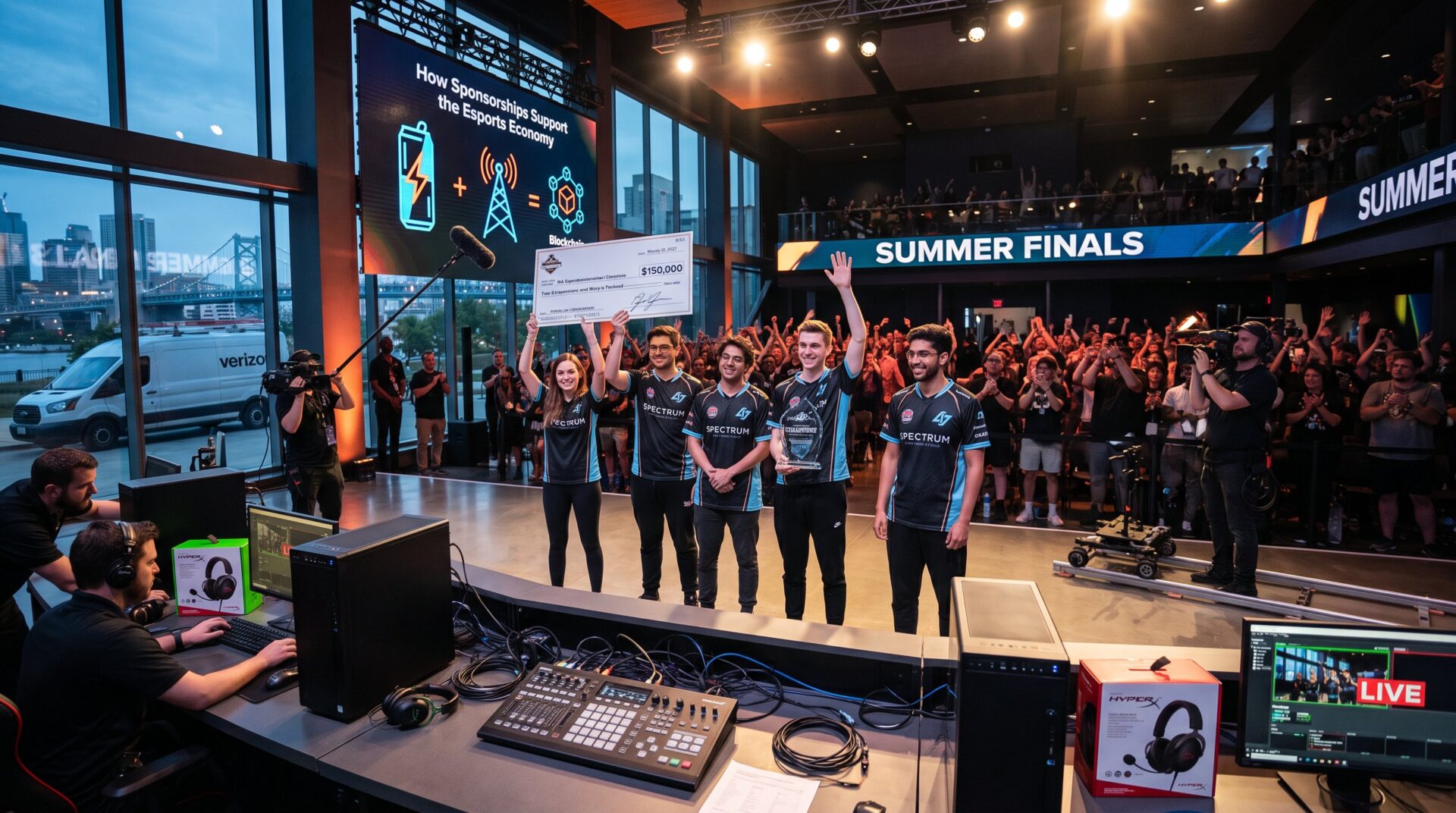
How Sponsorships Support the Esports Economy begins with a simple fact: sponsorship money keeps the lights on. In 2026, sponsorships still supply the largest share of operating budgets across teams, events, and creators. This piece explains why that funding matters now, how different sponsor types inject capital, and the real downstream effects on jobs, venues, and regional growth. Readers will get concrete numbers, practical risks, and links to related resources to help evaluate sponsorship strategies.
Key Takeaways
- Sponsorships supply 40–60% of the global esports economy, making sponsor support critical for team operations and event success.
- Different types of sponsorships—cash, in-kind, and marketing spend—address various budget needs like salaries, equipment, and event production.
- Endemic sponsors align closely with gaming audiences through product support, while non-endemic sponsors offer larger cash investments and mainstream media exposure.
- Sponsorship revenues stabilize player salaries and team contracts, enhancing roster retention and talent development.
- Sponsored events generate local jobs and infrastructure growth, with public-private partnerships fostering long-term regional esports hubs.
- Sustainable esports economy strategies require a diversified sponsor mix, regulatory awareness, and limiting dependence on any single sponsor to under 40% of revenue.
Why Sponsorships Matter In Esports Today
Fact first: sponsorships provide roughly 40–60% of the global esports economy and can account for up to 70% of a single organization’s funding. That concentration means sponsor decisions directly shape who competes, where events run, and how much talent earns. In practice, sponsor cash covers player salaries, production crews, travel, and content marketing, expenses that ticket sales and small merchandise lines rarely cover for most teams.
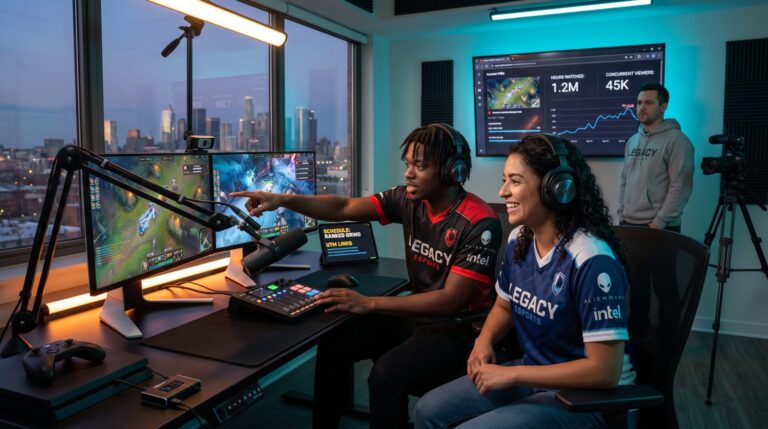
A concrete example: a mid‑tier League of Legends club in 2025 reported that sponsor contracts covered 65% of annual payroll and 80% of travel budgets. Those inflows made long-term player contracts possible and reduced turnover. Sponsorship also underwrites content: branded streams and sponsored studio shows often carry the production cost that otherwise would be a loss.
This reliance creates both strength and fragility. It allows rapid scale when brands invest, yet fragments when sponsors shift focus. For a broader primer on competitive gaming ecosystems and how sponsorship fits into day-to-day operations, the Life of Esports guide gives a pillar overview of the field.
Types Of Sponsorships And How They Inject Capital
Fact first: sponsorships arrive as cash, marketing spend, and in‑kind goods. Each type fills distinct budget line items.
Team and player deals deliver cash and equipment. Cash pays salaries and bonuses. In‑kind support, rigs, peripherals, travel vouchers, cuts operating cost. For instance, a sponsorship that supplies 150 gaming rigs to a team can save roughly $225,000 compared with buying gear at retail prices.
League and tournament partnerships add naming rights and large stage budgets. A single naming-rights contract can fund event production and raise prize pools by hundreds of thousands of dollars. Platform and content deals put recurring money into sponsored streams and highlight segments, which often include guaranteed monthly minimums to creators.
Different sponsor categories supply capital differently. Endemic brands provide product and targeted audience reach: non‑endemic brands usually offer larger cash checks and broader marketing support. Emerging sponsors like crypto and betting platforms combine cash with customer acquisition programs, though they bring regulatory risk. For historical context on sponsorship evolution into digital assets and NFTs, related reporting on the evolution of sponsorships explains how deals have shifted beyond jersey patches.
Non-Endemic, Endemic, And Emerging Sponsors (Crypto, Betting, And Tech)
Fact first: sponsor type matters for strategy and risk.
Endemic sponsors, hardware makers, publishers, energy drinks, fit naturally with fans. They often provide product and marketing tie‑ins that increase engagement. Example: a headset maker supplying 200 demo units to a tournament both reduces event costs and creates a hands-on funnel to buyers.
Non‑endemic sponsors, automotive, telecom, finance, tend to bring larger checks and access to mainstream media channels. A telecom firm sponsoring a league may underwrite venue connectivity and cross-promote on TV and mobile, expanding esports’ audience beyond core gamers.
Emerging sponsors such as crypto firms and betting platforms pumped big capital into the mid‑2020s. Those deals raised prize pools and created new monetization but triggered sudden regulatory constraints. After several markets tightened gambling rules, many tournaments adjusted sponsor lineups: an analysis of recent rule changes shows how betting sponsorships can flip overnight and force contract renegotiation: see reporting on latest rule changes.
Direct Economic Impacts: Teams, Players, Tournaments, And Prize Pools
Fact first: sponsor funds flow directly into salaries, prize pools, and event production.
Teams rely on sponsor guarantees to make payroll predictable. In 2024–2026, several mid‑market squads reported that sponsor deals covered between 50% and 75% of controllable income, enabling 2‑ to 3‑year player contracts that stabilize rosters. That stability raises team valuation and improves long‑term planning for talent development.
For players, sponsors underwrite salaries and appearance fees. A regional star who secures a personal energy‑drink deal can boost annual income by 20–40%, closing the gap between entry-level wages and sustainable living pay. Those earnings let players invest in coaching, analysis tools, and health care.
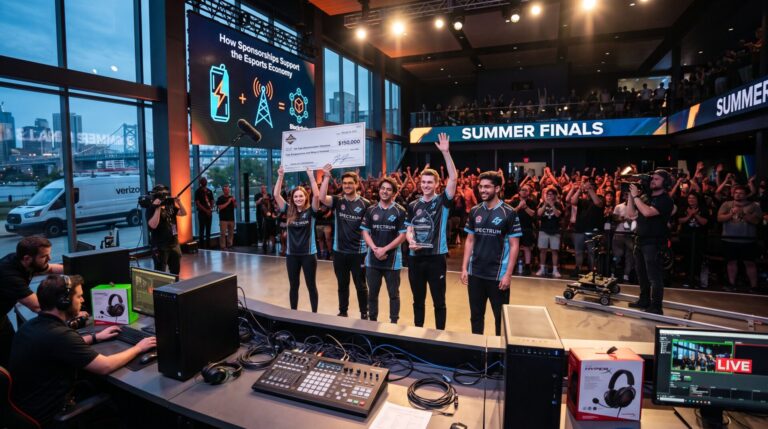
Tournaments depend on sponsor budgets for production quality and prize pools. A headline sponsor paying $600,000 for a global event often covers broadcast infrastructure, lighting rigs, and a six‑figure prize pool addition. This creates a virtuous loop: bigger pools attract top teams, which attracts viewership, which draws more sponsor interest. For insight into team structure and how sponsorship translates into operational budgets, see the piece on team structure.
Indirect And Long-Term Benefits: Jobs, Infrastructure, And Regional Development
Fact first: sponsorships create jobs and local investment beyond direct payouts.
When a city hosts recurring sponsored events, local vendors hire extra staff for staging, security, and catering. A single city event series that runs 10 weekends a year can create 120 part‑time local jobs and justify a 2,500 sq ft studio investment. Sponsors often co-fund venues and studios as part of activation budgets, which accelerates infrastructure buildout.
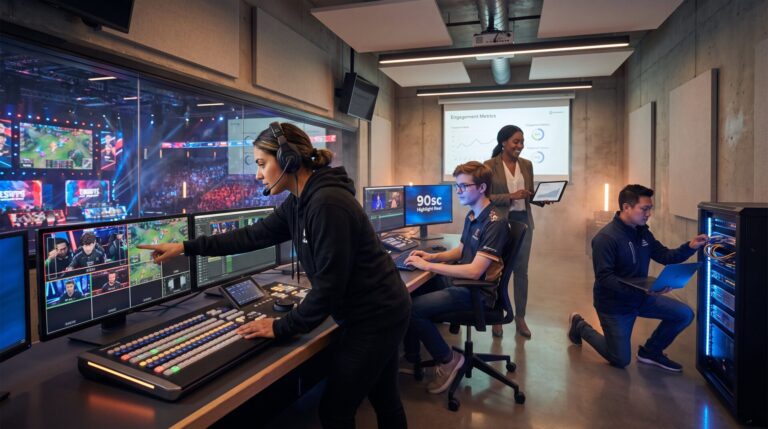
Sponsorship money also funds specialist roles, coaches, analysts, broadcast engineers, and social teams. Those hires are stable, paid positions: one European esports hub reported a 32% increase in full‑time production jobs after landing two multi‑year sponsors.
Regions gain longer-term benefits when brands partner with governments or universities to build esports hubs. Public‑private sponsorship projects can seed training centers and scholarship programs. For the college and grassroots pipeline effects, review research on NACE esports which highlights how institutional ties expand talent pathways.
A caution: dependence on a single sponsor can leave a region exposed if the sponsor exits. Diversified sponsor portfolios reduce that risk and support a sustainable local ecosystem.
Conclusion: Sustainable Sponsorship Strategies For A Healthy Esports Economy
Fact first: sustainability requires diversification, audience alignment, and regulatory foresight.
Teams and event organizers should mix endemic, non‑endemic, and regulated emerging partners to balance cash and brand fit. They should demand clear activation commitments and audience protections to preserve trust. Combining sponsorship with growing streams, media rights, ticketing, and premium digital content, reduces single‑point dependency.
A practical rule: limit any single sponsor to under 40% of annual operating revenue where possible, and maintain a six‑month operating reserve to weather sponsor turnover. Those tactics make organizations more resilient and keep the broader esports economy healthy.