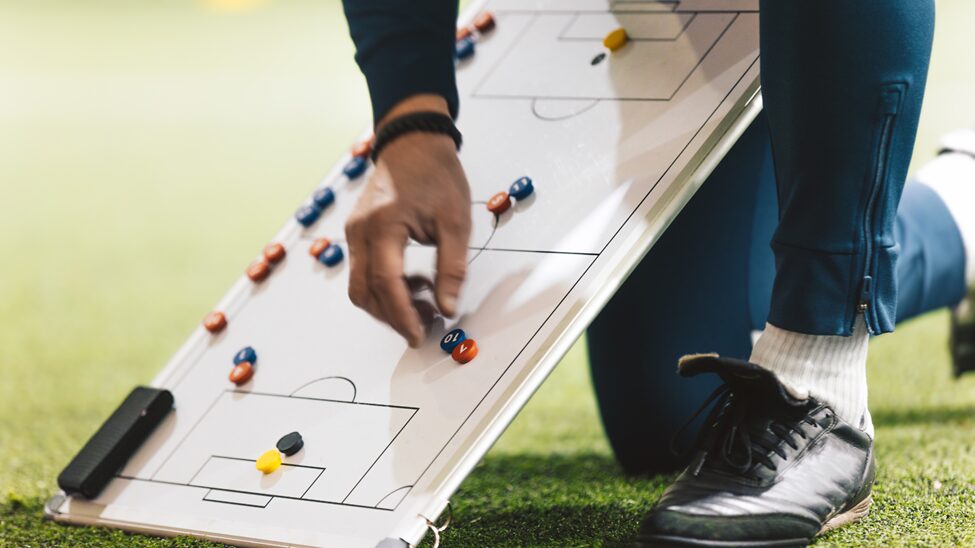
Soccer success depends on understanding strategy and in-game tactics. Strategy is the overall plan, like focusing on attack or defense; while tactics are how to make that plan work, such as player positions and adjustments during the match based on how it is developing.
Soccer has dynamic attacking styles that use speed and skill to break through defenses; defenses also use smart moves like tight marking and quick thinking to stop attackers.
Teams study data and use computers to find ideal player positions and when to change things up.
Key Ideas in Soccer Strategy
In football, the game plan is essential; teams make offensive moves to score and manoeuvres to stop opponents by placing the players in the most strategic places on the field. Unlike games of chance like slots machines, where you can win even without any skill, soccer requires a good amount of strategy and an effective team. For fans and players alike, deepening their understanding of the game can be as rewarding as participating. Platforms like Mostbet, which offer insights and engagement opportunities, make exploring soccer’s intricacies even more exciting. For instance, registering on platforms like Mostbet registration enables fans to stay connected with the latest trends in sports strategy and game predictions.
Attacking Techniques
Modern attacking techniques in soccer have raised the excitement and skill levels. The spread offense is an impactful strategy, stretching the defense, creating attacking chances and confusion.
Teams analyze opponents’ defenses to find weaknesses to exploit; it’s not just about speed or kicking power, it’s also about smart plays, quick thinking, and teamwork.
Successful attacks rely on player agility and speed—abilities that allow quick transitions from defense to attack, teams practice tirelessly to perfect these strategies.
Being in the right place is key to scoring goals; having many attacking moves helps teams succeed, offensive tactics need talent, practice, and perseverance.
Defensive play involves skill, anticipation, and strategy; teams defend their goal by blocking, intercepting, covering, clearing, and tackling, they closely watch opponents to stop advances.
Defensive Play Techniques
The four D’s are: delay, deny, dictate, and defend. Communication guides players on the field, they shout commands to stay strong and maintain structure.
Tackling needs timing and predicting moves. The game pressures players to make mistakes.
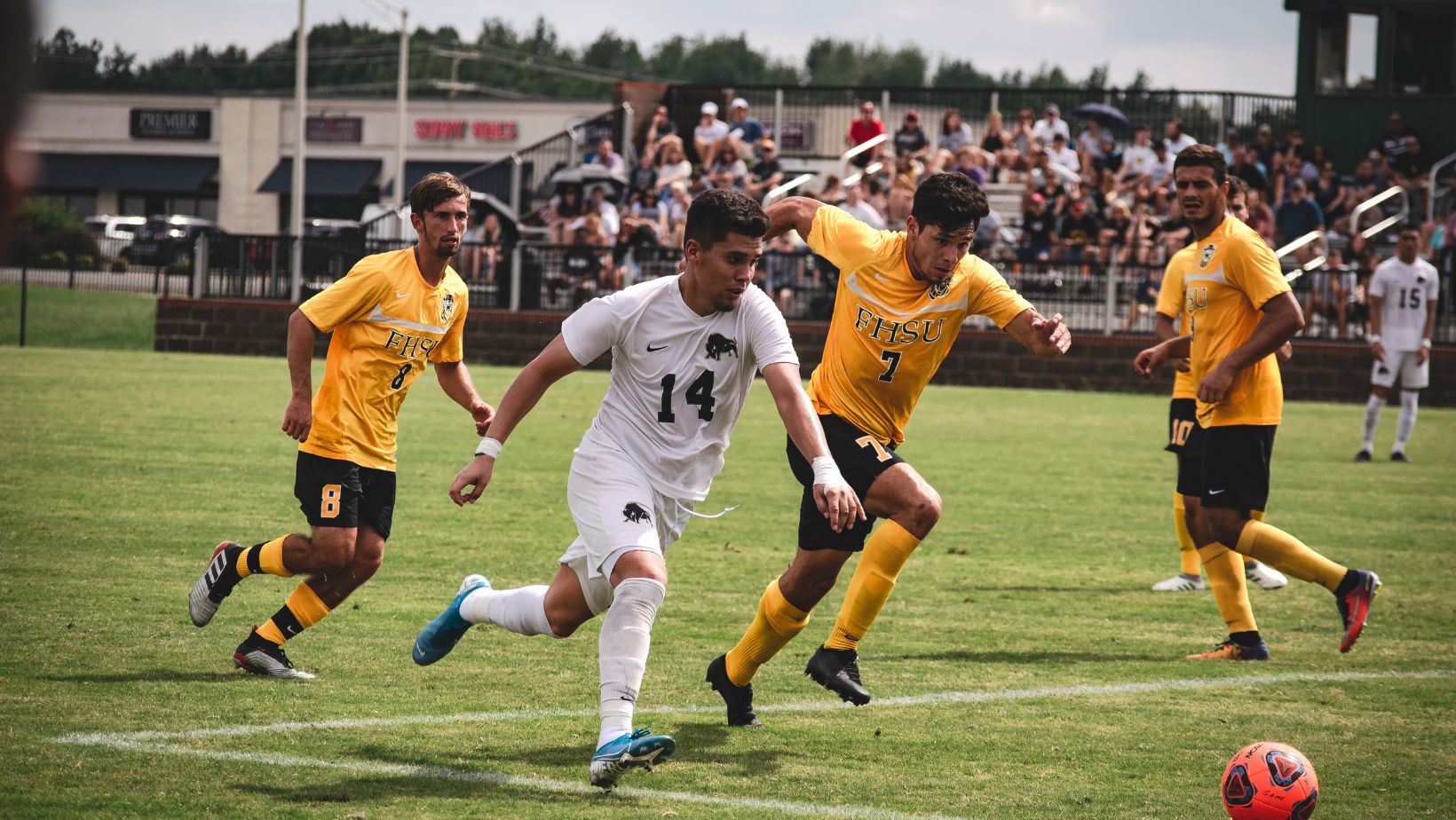
Defense requires agility, speed, and teamwork. Players mark opponents closely or chase them across the pitch, tracking every move.
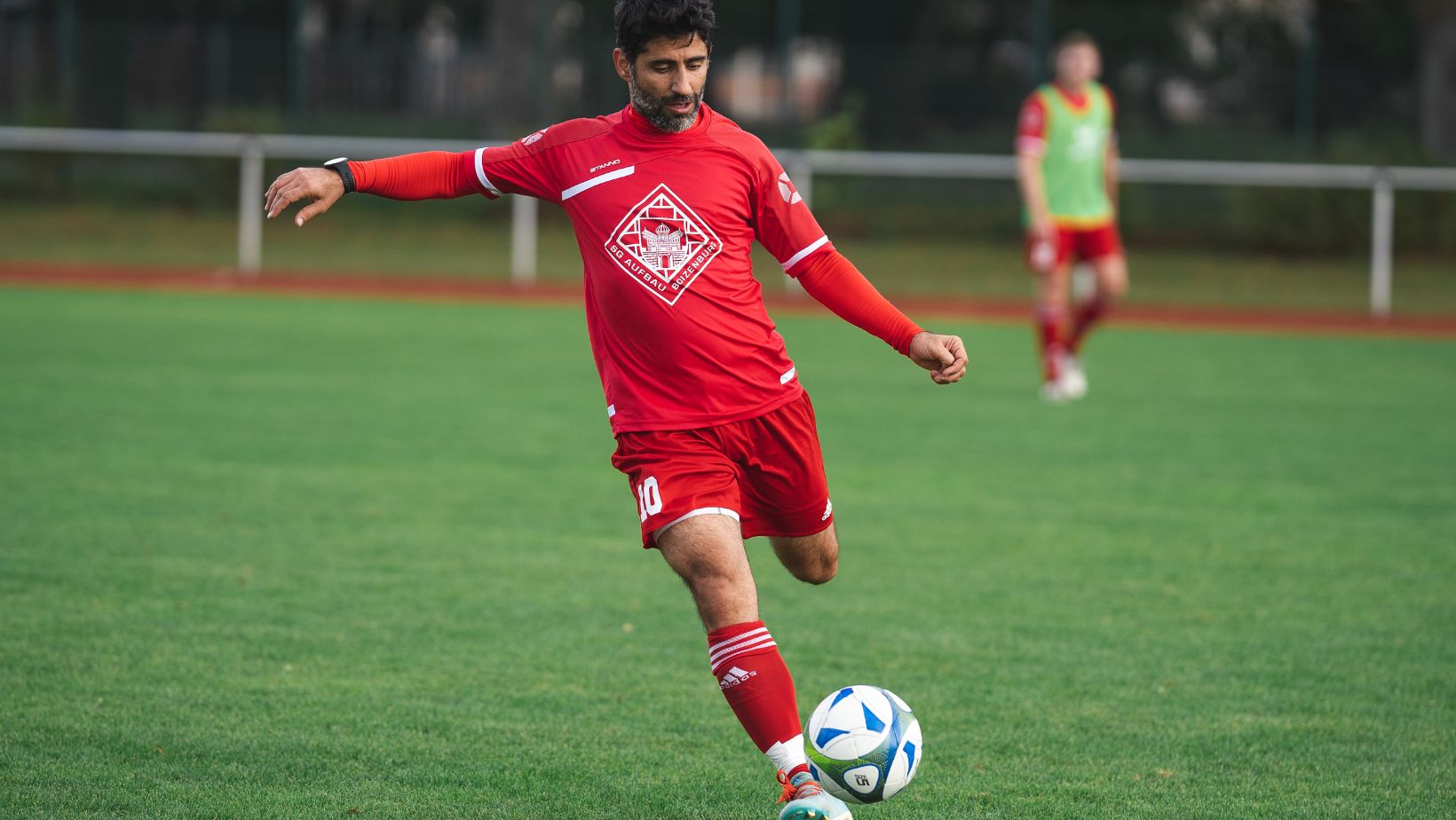
Players move across the field as a unit. Each player has a special spot on the field, which helps them coordinate with their teammates, attack, or defend. Every player’s position matters a lot.
What Soccer Tactics Mean
Soccer tactics are smart ways to play the game, teams make rapid adjustments to outsmart opponents and they use clever moves to win.
Player Formation and Movement
Importance of Good Positioning: Where each player stands affects how they can move, attack, or defend. Studies show a player’s spot impacts their movement and energy levels.
- Formations Help Teams Win: Classic 4-4-2 and new 3-5-2 lines have pros and cons on offence and defense, this affects players’ physical and technical skills.
- Shape Analysis Reveals Patterns: Teams analyze game shapes and patterns; this data shows how teams change shape during play.
- Computers Predict Opponents’ Tactics: Teams feed game data to computer programs, and the programs can predict opponents’ moves, it is like seeing the other team’s playbook.
A team’s formation impacts how much players run and how they control the field. Certain formations make players cover more ground or better use the available space.
Coaches adjust tactics based on the match situation, a lead may prompt them to switch to a more defensive setup, while trailing could mean sending more attacking players onto the field.
Analytics inform real-time decisions on positioning and tactics that can turn the tide of a match, not just for post-game review.
Tactical Adjustments During the Game
Changing tactics mid-game is vital for teams to stay on top. Coaches and players collaborate to modify their approach as the match unfolds. This is how it is done:
Coaches closely watch the opposition’s play to identify patterns or weaknesses. For example, they may notice the other team struggling against quick attacks down the flanks.
- If trailing, teams might switch from a defensive plan to an attacking one, pushing more players forward.
- Halftime offers a chance for major tactical shifts. Coaches discuss their observations and formulate a new gameplan.
- Making substitutions is not only about resting tired players. Bringing in a faster striker or a more defensive midfielder can also change the game’s direction.
- The players on the field communicate with each other and make small adjustments themselves. If they notice an opponent is showing weakness, they’ll attack more often on that side.
Changing formations can confuse the other team. Switching from 4-4-2 to 3-5-2 adds more pressure in midfield and on attack.
- If a player gets sent off with a red card, the team needs to quickly change tactics, often shifting to defense to protect the lead or keep the score close. These tactical shifts significantly impact physical and technical performance during matches.
- Teams watch videos of opponents before games, planning potential adjustments even before kick-off, based on likely scenarios and past games. During the game, sideline signals and quick meetings when play stops help share new strategies without waiting for breaks.
These moves keep soccer exciting. They also test each team’s ability to adapt quickly. With every match offering unique challenges, figuring out when and how to make these tactical adjustments are crucial for achieving victory.
In conclusion, to excel in soccer, teams need to get both strategy and tactics right, they mix offensive and defensive plays with smart moves. Coaches change plans based on real time occurance in the match. This interplay of strategy and tactics decides who wins and who learns for next time. Success comes from practice, strategic planning, and adaptability.