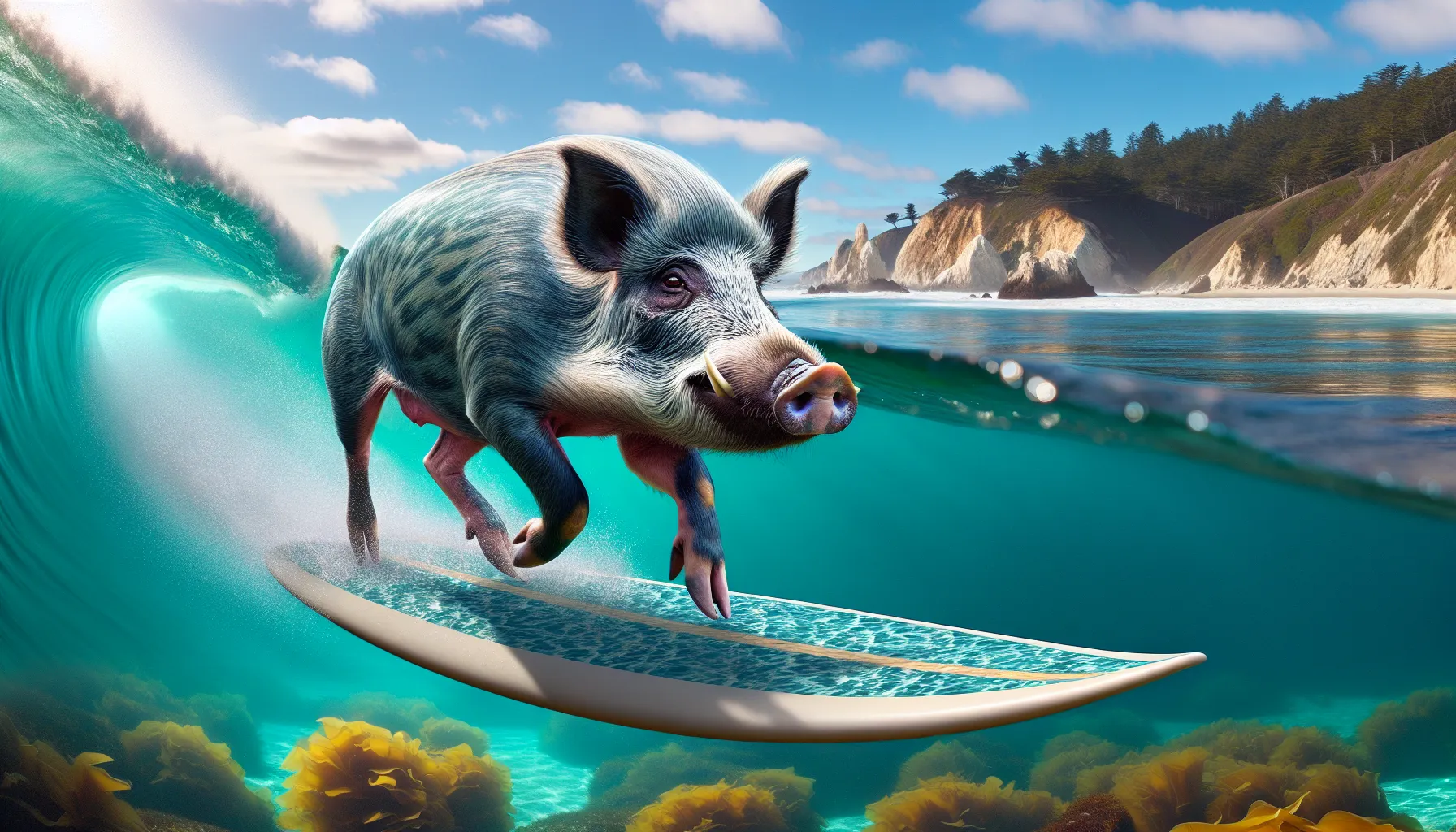
Have you ever wanted to jump into the intriguing realm of marine life and discovered a creature that transforms our understanding of ocean-dwelling mammals? Well, hold on to your surfboards because we’re about to take a ride on the waves of knowledge about the surf boar. You might think we’re going to just hop on a board and conquer the waves, but this isn’t just your average marine mammal. It’s time to plunge into the aquatic depths and learn about this unique animal that leaves everyone asking, ‘What on earth is a surf boar?’
Surf Boar Animal
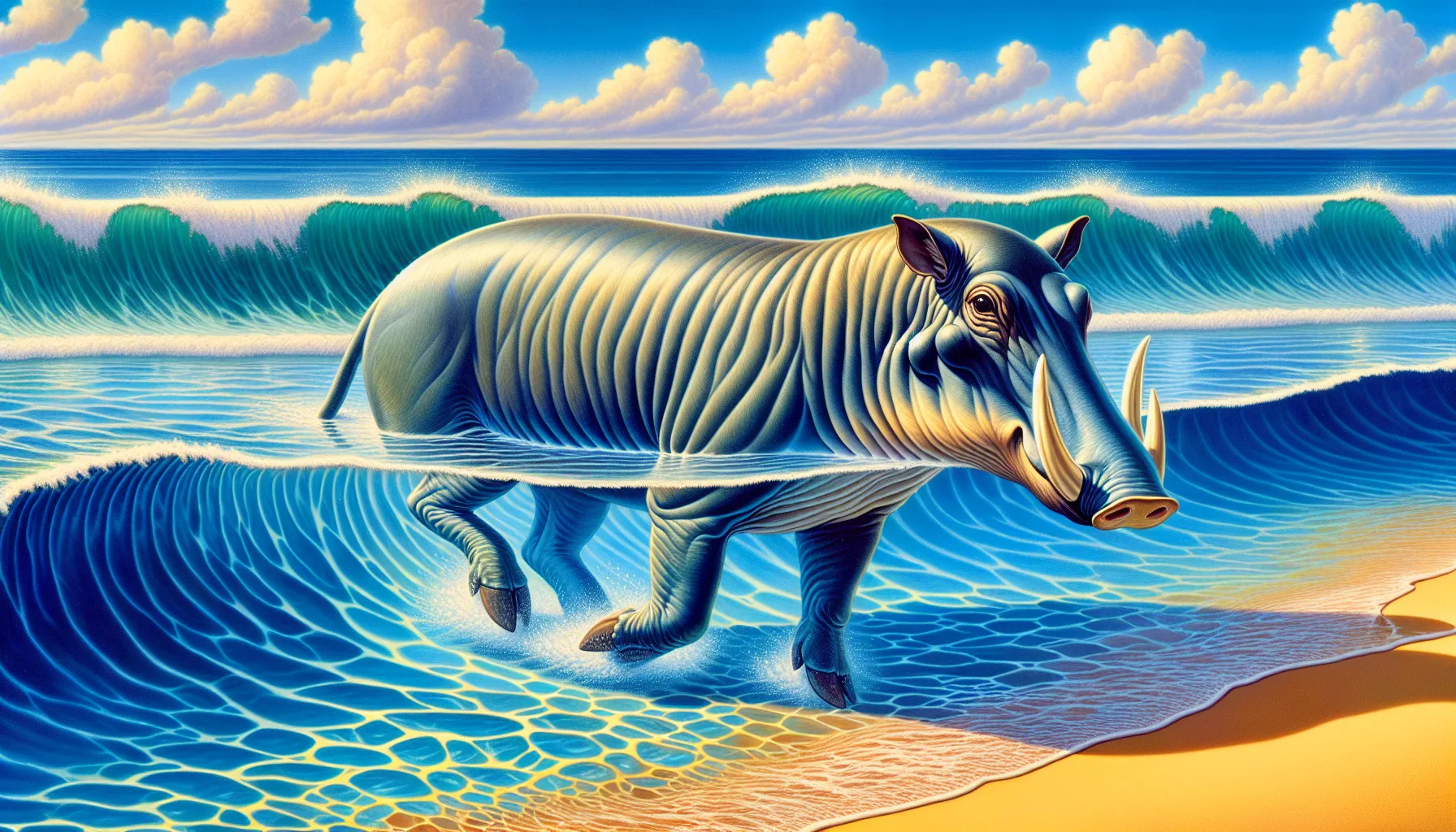
When we first lay our eyes on the surf boar, we can’t help but be drawn in by its captivating appearance. Resembling a remarkable blend of various marine and terrestrial traits, the surf boar boasts a sleek body, which is built for agility in water. Its skin is often smooth and features a glossy sheen, leading many to compare it with the more commonly known seal. Their coloration typically varies between shades of gray and blue, making them blend seamlessly into the ocean depths.
But wait, there’s more. These animals have several peculiar features like elongated snouts equipped with impressive teeth that seem almost too grand for their size. Their big, expressive eyes not only enhance their charm but also grant them excellent vision, crucial for spotting prey from afar. And let’s not forget their sturdy flippers, which enable them to navigate effortlessly through ocean currents.
Eventually, the surf boar manages to walk that fine line between adorable and incredible, captivating all of us who are lucky enough to encounter them.
Habitat and Distribution
Surf boars can often be found frolicking in temperate waters, particularly along coastlines where the surf is just right. We usually spot these marvelous creatures inhabiting regions that provide both sustenance and protection from predators.
Their range extends from the rocky shores of the Pacific Northwest down to the more inviting waters of California. We think of their homes as a kind of aquatic playground, where they can dive, surf the waves, and bask in the sun on rocky outcrops. They thrive in environments rich in kelp forests and coral reefs, which provide essential shelter and food. The intertidal zones are like their favorite hangout spots, and we can’t blame them.
Diet and Feeding Habits
What do surf boars feast on, you ask? Our curiosity leads us to discover that these remarkable animals are opportunistic feeders. They primarily munch on various types of fish, sea urchins, and crustaceans. Talk about a diverse seafood platter.
Their hunting strategy is fascinating. Surf boars often dive deep, using their acute sense of smell to track down meals hidden beneath the ocean floor. Once they find their prey, they can gulp it down in one swift motion. In a way, their feeding habits are like a well-rehearsed dance, showcasing agility and coordination that impress even the most seasoned ocean watchers.
Behavior and Social Structure
Now, let’s jump into the vibrant social lives of surf boars. We often observe that these mammals are quite playful and engage in elaborate social interactions. Whether it’s romping with one another or riding the waves, their camaraderie lights up the ocean’s surface.
Social structure within surf boar communities is quite fascinating. They typically form small pods that can consist of up to 10 individuals. Within these groups, we witness a distinct hierarchy, where younger members learn essential survival skills from their elders. We can see the nurturing nature of this dynamic, as older boars attempt to pass on their knowledge to the next generation, emphasizing the importance of community.
Conservation Status and Threats

Even though we relish in the beauty of the surf boar, we must also acknowledge the challenges they face in today’s world. These captivating marine mammals are classified as vulnerable, primarily due to habitat loss, climate change, and pollution.
As ocean temperatures rise, their favorite feeding grounds are increasingly threatened. Besides, entanglement in fishing gear poses a significant risk to their population. It’s crucial that we step up, educate ourselves, and advocate for efforts that protect their habitat and promote sustainable practices. After all, protecting surf boars means also safeguarding a rich marine ecosystem.
Interesting Facts About Surf Boars
Let’s wrap things up with some quirky tidbits about surf boars that make them even more fascinating. Did you know that these mammals can hold their breath for up to 20 minutes while diving? It’s incredible how they have adapted to their environment. They also have a unique vocalization system: we can often hear a series of clicks, whistles, and barks that help them communicate within their pods.
Also, there have been sightings of surf boars mimicking human surfing moves, a testimony to their playful nature. They bring a smile to our faces as they strut their stuff in the waves, reminding us that the ocean is a wondrous place full of surprises.