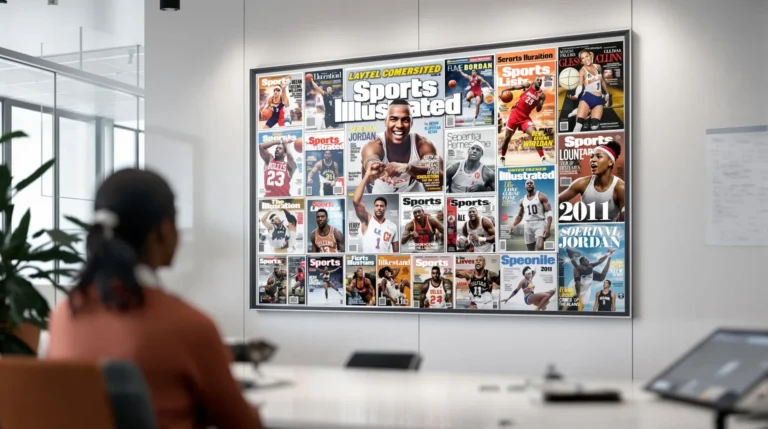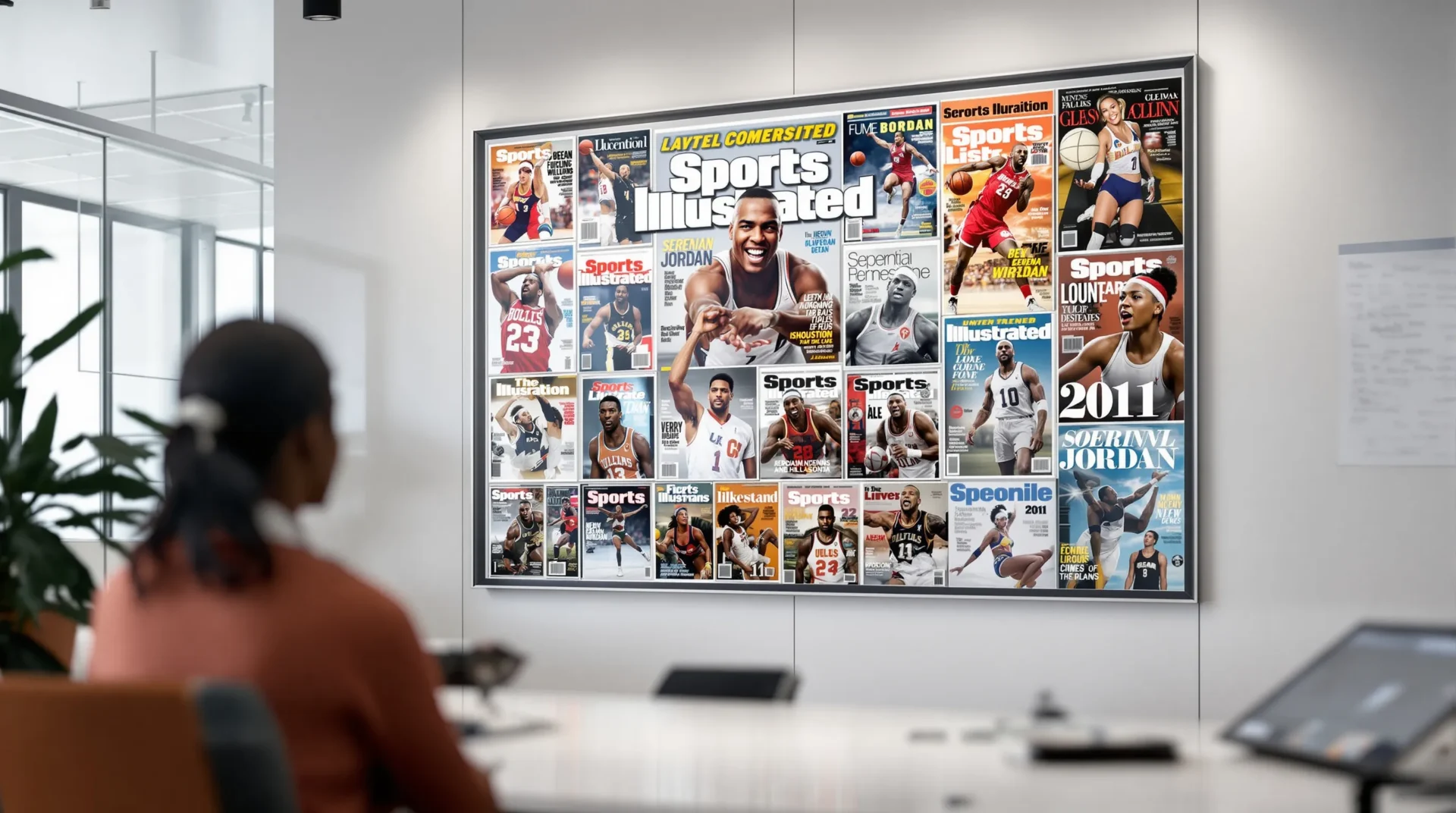
Picture this: It’s 1996, and a 17-year-old Kobe Bryant stares out from the glossy cover of Sports Illustrated. His eyes burn with the kind of confidence that makes you sit up straighter. That single image—one of thousands of sports illustrated covers—didn’t just capture a moment. It launched a legend. If you’ve ever wondered why these covers matter, or how they’ve shaped the way we see sports, you’re in the right place.
Why Sports Illustrated Covers Matter
Let’s break it down. Sports illustrated covers aren’t just pretty pictures. They’re cultural snapshots. Each one freezes a split second of triumph, heartbreak, or pure athletic magic. Think about the 1980 “Miracle on Ice” cover. Or the first time Serena Williams graced the front page, beads of sweat glistening, racket raised. These covers don’t just report history—they make it.
The Power of a Single Image
Here’s the part nobody tells you: a sports illustrated cover can make or break a career. Ask any athlete who’s landed one. For some, it’s a dream come true. For others, it’s a jinx. Remember the so-called “SI Cover Curse”? Athletes like Peyton Manning and Patrick Ewing have grumbled about it. But let’s be real—most would trade a little bad luck for that kind of spotlight.
The Evolution of Sports Illustrated Covers
If you flip through the archives, you’ll see more than just changing uniforms. You’ll see the evolution of sports, style, and even society. The earliest sports illustrated covers from the 1950s look almost quaint now—think black-and-white shots, polite smiles, and lots of baseball. Fast forward to the 1970s, and you get Muhammad Ali, fists up, eyes blazing. By the 2000s, covers explode with color, attitude, and action.
Breaking Barriers
Some covers did more than just sell magazines. They broke barriers. In 1966, Texas Western’s all-Black starting five appeared after their NCAA basketball championship win. In 2014, Michael Sam became the first openly gay player drafted into the NFL—and landed on the cover. These moments didn’t just reflect change. They pushed it forward.
What Makes a Sports Illustrated Cover Iconic?
Not every cover becomes a classic. So what’s the secret sauce? It’s a mix of timing, emotion, and storytelling. The 1999 Women’s World Cup cover, with Brandi Chastain on her knees, jersey in hand, is unforgettable. Why? Because it captured pure, unfiltered joy. The 2001 cover of Derek Jeter, mid-leap, glove outstretched, is another. You can almost hear the crowd roar.
- Emotion: The best covers make you feel something—pride, awe, even heartbreak.
- Relevance: They tap into the biggest stories of the moment.
- Visual Impact: Bold colors, dramatic poses, and sharp photography grab your attention.
Behind the Scenes: How Covers Get Made
Here’s a secret: not every sports illustrated cover is planned months in advance. Sometimes, editors scramble to capture a last-minute upset or a record-breaking feat. Photographers camp out for hours, waiting for that perfect shot. Designers tweak layouts late into the night. It’s a team effort, and sometimes, chaos rules the day.
The “SI Cover Curse”—Myth or Reality?
If you’ve ever heard athletes groan about the “SI Cover Curse,” you’re not alone. The idea? Land on a sports illustrated cover, and your luck tanks. Statistically, it’s a stretch. But the stories are legendary. In 1981, golfer Tom Watson appeared on the cover—then lost the U.S. Open. The 2015 Kansas City Royals graced the cover, then lost eight straight games. Coincidence? Maybe. But it adds a layer of drama fans can’t resist.
Collecting Sports Illustrated Covers: A Hobby with Heart
If you’ve ever flipped through a stack of old magazines at a garage sale, you know the thrill. Some sports illustrated covers are worth serious money. The 1954 first issue, with Eddie Mathews at bat, can fetch thousands. But for most collectors, it’s not about cash. It’s about holding a piece of history. Each cover tells a story—of a game, a season, a hero.
Tips for Collectors
- Look for covers featuring major milestones—firsts, records, retirements.
- Condition matters. Mint copies are rare and valuable.
- Don’t chase trends. Collect what moves you.
Who Should Care About Sports Illustrated Covers?
If you love sports, history, or great photography, these covers are for you. If you’re looking for investment tips, you might want to look elsewhere. But if you want to feel the pulse of sports culture—its highs, lows, and everything in between—start with a stack of sports illustrated covers.
What the Future Holds
Print magazines may be fading, but the power of the sports illustrated cover endures. Digital covers now go viral in seconds. Athletes share them on Instagram, fans debate them on Twitter. The format changes, but the impact stays the same. Here’s why: we crave stories. We want to see our heroes, flaws and all, frozen in time.
Final Thoughts: The Legacy Lives On
Every sports illustrated cover is a time capsule. Some make you cheer. Some make you think. All of them remind us why we care about sports in the first place. Next time you see one, pause. Look closer. You might just catch a glimpse of greatness staring back at you.