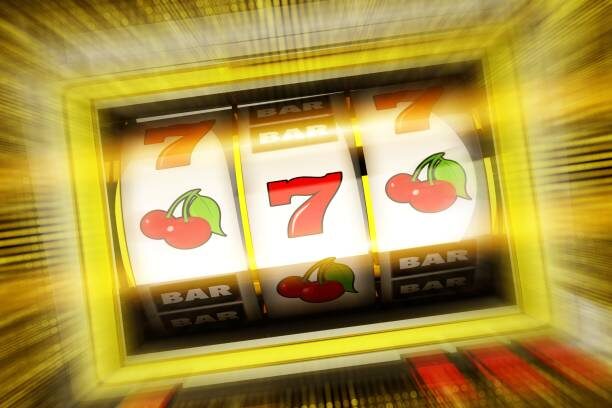
Slot entertainment has changed significantly as technology has moved beyond the limits of physical machines. What was once defined by mechanical reels, fixed cabinets, and simple visual feedback has evolved into a digital format shaped by software, cloud infrastructure, mobile devices, advanced graphics, and increasingly responsive interfaces.
This shift has transformed more than the appearance of slot games. It has changed how they are built, updated, distributed, and experienced. The modern slot is no longer a single machine. It is part of a wider digital ecosystem designed to work across devices, platforms, and different types of user environments.
Software Has Become the New Machine
Traditional slot machines relied on physical components such as gears, reels, buttons, and internal mechanisms. Their structure determined what the game could do.
Digital slots are different because most of their functionality is controlled by software.
Developers can use code to manage reel behaviour, symbol movement, interface elements, sound effects, and transitions between different game states. New mechanics can be introduced through software without requiring changes to physical hardware.
This flexibility has made digital สล็อต development far more adaptable. A single game can include multiple visual styles, changing layouts, and interactive sequences within the same framework.
Game Engines Coordinate the Experience
Modern slot games rely on game engines to bring different technical elements together.
The engine controls animations, reel movement, audio cues, interface responses, and transitions between features. It also connects the visible experience with the mathematical systems working in the background.
Random Number Generation Supports Digital Outcomes
Random Number Generators, commonly known as RNGs, are central to digital slot systems.
These systems continuously generate numerical values linked to possible outcomes. When a spin begins, the software processes the relevant value according to the game’s programmed rules.
The reels then display the result through animation.
This means that the familiar spinning motion is now primarily a visual representation of a digital process rather than a mechanical one.
Mathematics Influences the Rhythm of Play
Every modern SAWA888 is built around a mathematical model.
Developers work with variables such as symbol distribution, reel configuration, volatility, paylines, and feature frequency. These elements help determine how the game behaves.
Two slots can look almost identical but feel very different because their underlying mathematical structures are not the same.
The mathematics operates quietly behind the screen, but it plays a major role in shaping the overall experience.
Visual Technology Has Expanded Creative Possibilities
Digital graphics have allowed slot designers to move far beyond static symbols and simple backgrounds.
Modern games can feature animated characters, layered environments, dynamic lighting, particle effects, and cinematic transitions.
Animation Makes Interaction Easier to Understand
Animation also has a practical function.
A symbol can expand, disappear, transform, or move across the screen to show that something has changed. These visual cues help explain game mechanics without requiring large amounts of written instruction.
The result is a more intuitive interface where movement communicates information directly.
Sound Design Adds Another Dimension
Audio has also become more sophisticated.
Modern slot games can use background music, voice elements, environmental sounds, and short effects that react to what is happening on screen.
The soundtrack may change when a new sequence begins, while shorter audio cues can highlight specific visual events.
When sound and animation are synchronized, the experience can feel more polished and responsive.
Mobile Devices Have Redefined Slot Access
One of the biggest changes has come from smartphones and tablets.
Slot games now need to work across different screen sizes, resolutions, and hardware capabilities.
Developers must consider touch controls, symbol visibility, menu placement, and loading speed. Responsive design allows the interface to adapt automatically depending on the device being used.
HTML5 technology has also helped browser-based games operate across desktops, tablets, and smartphones without relying on older plug-ins.
Cloud Technology Extends the Experience
Cloud infrastructure has become an important part of modern digital gaming.
Remote servers can support game libraries, software updates, user accounts, and technical resources. This makes it easier for platforms to introduce changes without requiring users to replace or upgrade physical hardware.
Cloud systems can also help maintain consistency across devices, allowing the same platform experience to function in different environments.
New Mechanics Move Beyond Traditional Reels
Digital technology has given developers freedom to rethink the reel itself.
Modern slots may include cascading symbols, cluster-based systems, expanding grids, shifting layouts, or multi-stage features.
These mechanics show how far the format has moved beyond the limitations of traditional machines. The reel remains familiar, but its behaviour can now change dynamically throughout the experience.
Final Thoughts
The technology reinventing slot play is not centered on one single innovation. Software, mathematics, animation, sound, mobile design, cloud infrastructure, and responsive interfaces all contribute to the modern experience. The physical machine may have started the format, but digital technology has expanded it far beyond its original boundaries. As development tools continue to improve, slot entertainment is likely to become increasingly flexible, interactive, and connected to the wider world of digital entertainment.