When Gianluigi Donnarumma arrived at the Etihad, most of the debate centred on his feet, not his hands. Pundits questioned whether a goalkeeper raised on shot-stopping could adapt to Pep Guardiola’s build-up demands. Yet within weeks, he’d picked up individual honours for exactly the skill nobody was arguing about: keeping the ball out of the net. It’s a reminder that however much the goalkeeping role has evolved tactically, the fundamentals of the position still come down to grip, reaction time, and the equipment that connects a keeper’s hands to the ball.
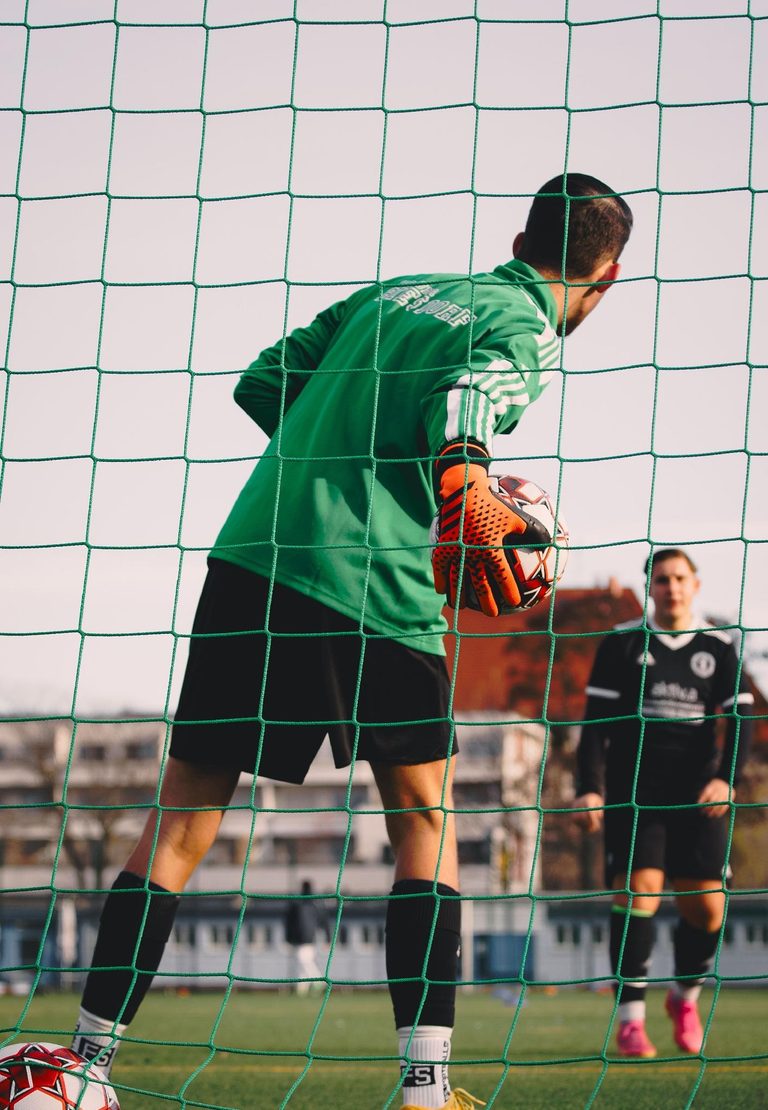
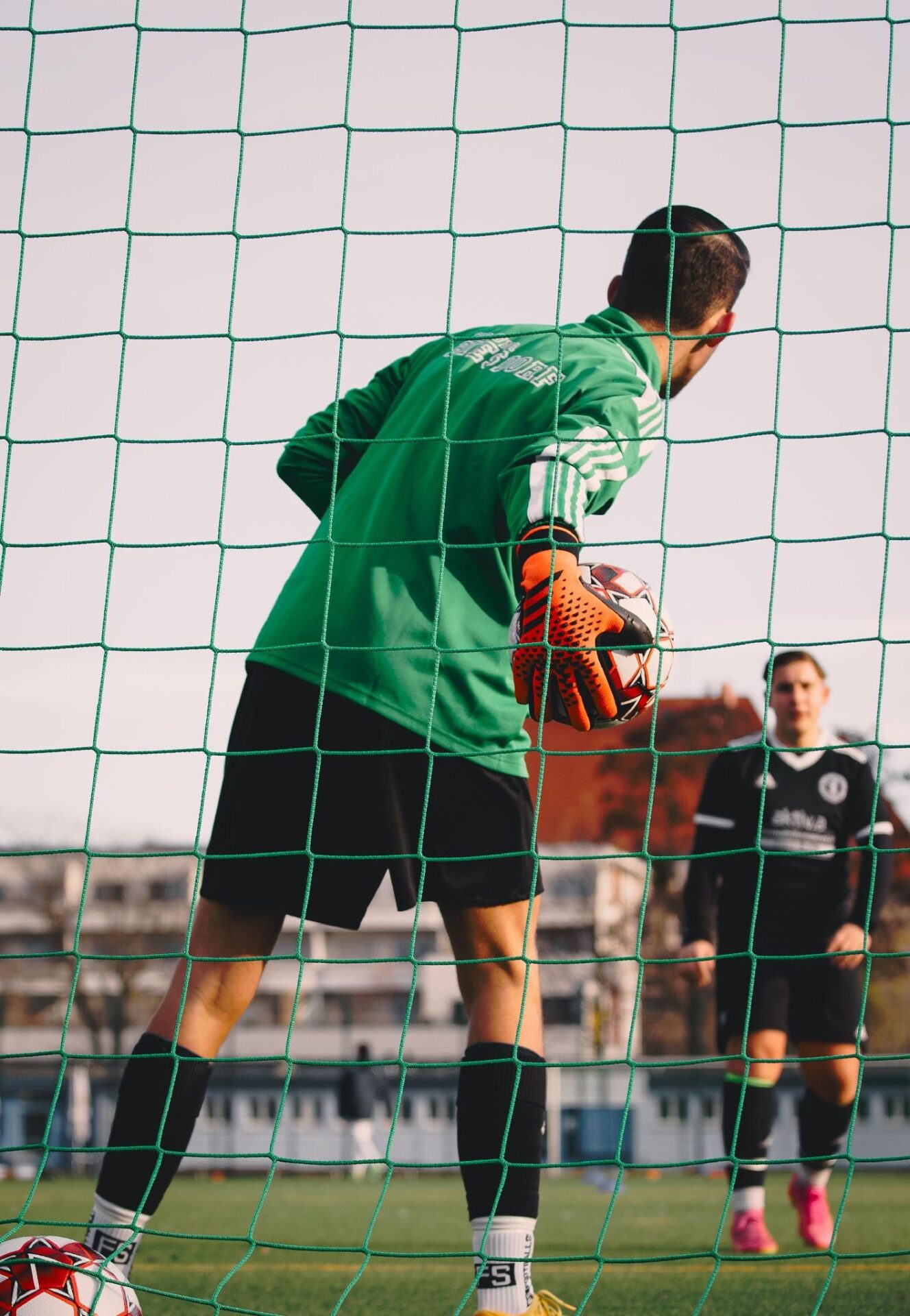
That equipment gets surprisingly little attention outside goalkeeping circles. Fans talk about positioning, distribution, sweeper-keeper instincts. Rarely do they talk about the football goalkeeper gloves themselves, despite the fact that a poor pair can undo months of technical work in half a second. At elite level, players trial dozens of models before settling on one, testing latex compounds in wet and dry conditions, and checking how a cut feels when punching a corner versus parrying a low drive. For keepers trying to replicate that level of preparation without a kit man doing the legwork, the best goalkeeper gloves range from Keepers is a sensible starting point, since it groups gloves by cut, latex grade, and playing surface rather than just brand and price.
The Grip Demands of a Faster Premier League
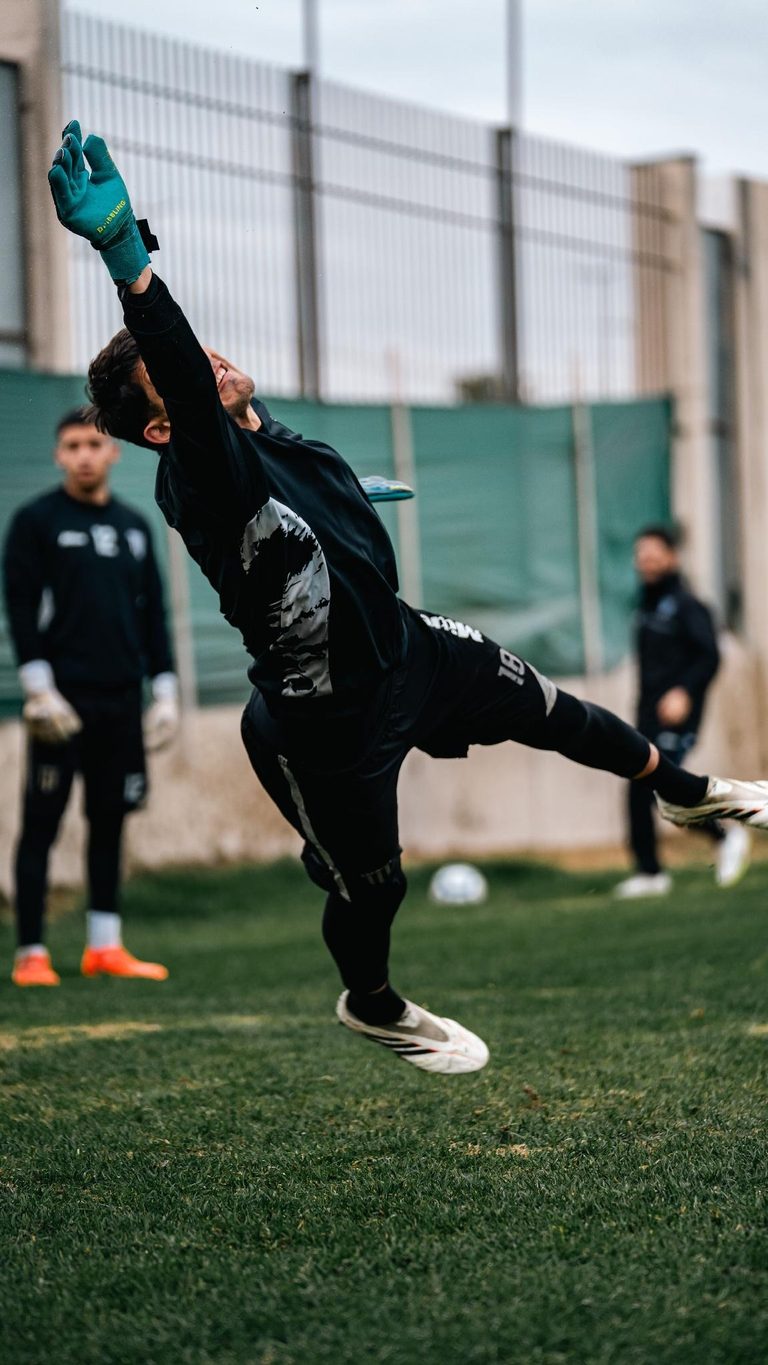
Shots are arriving quicker and from tighter angles than a decade ago, partly a byproduct of how much possession now builds through midfield triangles before a cutback rather than a direct ball forward. That shift rewards keepers who can trust their grip under pressure rather than relying purely on positioning to smother an effort. Latex quality has become the deciding factor for many professionals, which is why so many now switch gloves mid-match when conditions turn damp.
Amateur and semi-professional keepers face the same problem on a smaller scale. A pitch that’s cut up by half-time, or a Sunday morning frost, can turn a confident handful into a spilled save. This is where the difference between a budget pair and genuinely good goalkeeper gloves becomes obvious, not in how they look on a shelf but in how they behave in the eighty-fifth minute of a wet game. Retailers such as Keepers have leaned into this by breaking down products by latex grade and match conditions rather than marketing hype, which makes comparing options far less of a guessing game.
Why Finger Protection Still Divides Opinion
The Case for Rigid Inserts
Fingersave designs, with their semi-rigid spines along the fingers, remain popular among younger and recreational keepers because they reduce the risk of hyperextension on firm shots. For a keeper still building confidence, that extra layer of security can be the difference between committing fully to a save or pulling out of it.
When Keepers Prefer to Go Without
Higher-level players often move away from finger protection once technique catches up, arguing it dulls close-range reflexes and adds unwanted bulk. There’s no universally correct answer here. Coaches at the academy level generally recommend goalkeeper gloves with finger protection for younger age groups precisely because injury prevention matters more than marginal feel while a keeper is still developing.
What Amateur Keepers Can Take From the Pros
Guardiola’s insistence on a goalkeeper comfortable playing out from the back changed what clubs prioritise when recruiting, and Donnarumma’s transition has been closely tracked by analysts comparing his passing numbers to his predecessor’s. Grassroots keepers won’t face that scrutiny, but the underlying lesson holds: technical demands on the position keep rising, and equipment needs to keep pace rather than lag behind.
Whatever level someone plays at, the glove is still doing the job it always has. Getting the fit, latex, and cut right matters more than any badge on the wrist strap, and browsing a dedicated range like the one Keepers has put together is a reasonable way to start narrowing down the choice with the same seriousness a Premier League keeper would.